Millions of people worldwide visit casinos, play online games, and place bets regularly, often returning despite losses. The psychology behind gambling behavior involves a complex mix of brain chemistry, emotional responses, and carefully designed game features that tap into basic human motivations for reward and excitement. Understanding why players keep coming back requires looking at how their minds work during gambling activities.
The gambling industry has developed sophisticated methods to engage players through psychological triggers. These range from the way games are designed to the social environments created around gambling activities. Brain chemistry plays a major role, as winning or even thinking about winning releases chemicals that make people feel good.
Multiple factors work together to influence gambling behavior. Personal traits, social situations, and specific game elements all contribute to player motivation. The reasons people gamble and continue gambling vary widely between individuals, making this a complex topic that affects both casual players and those who develop more serious gambling habits.
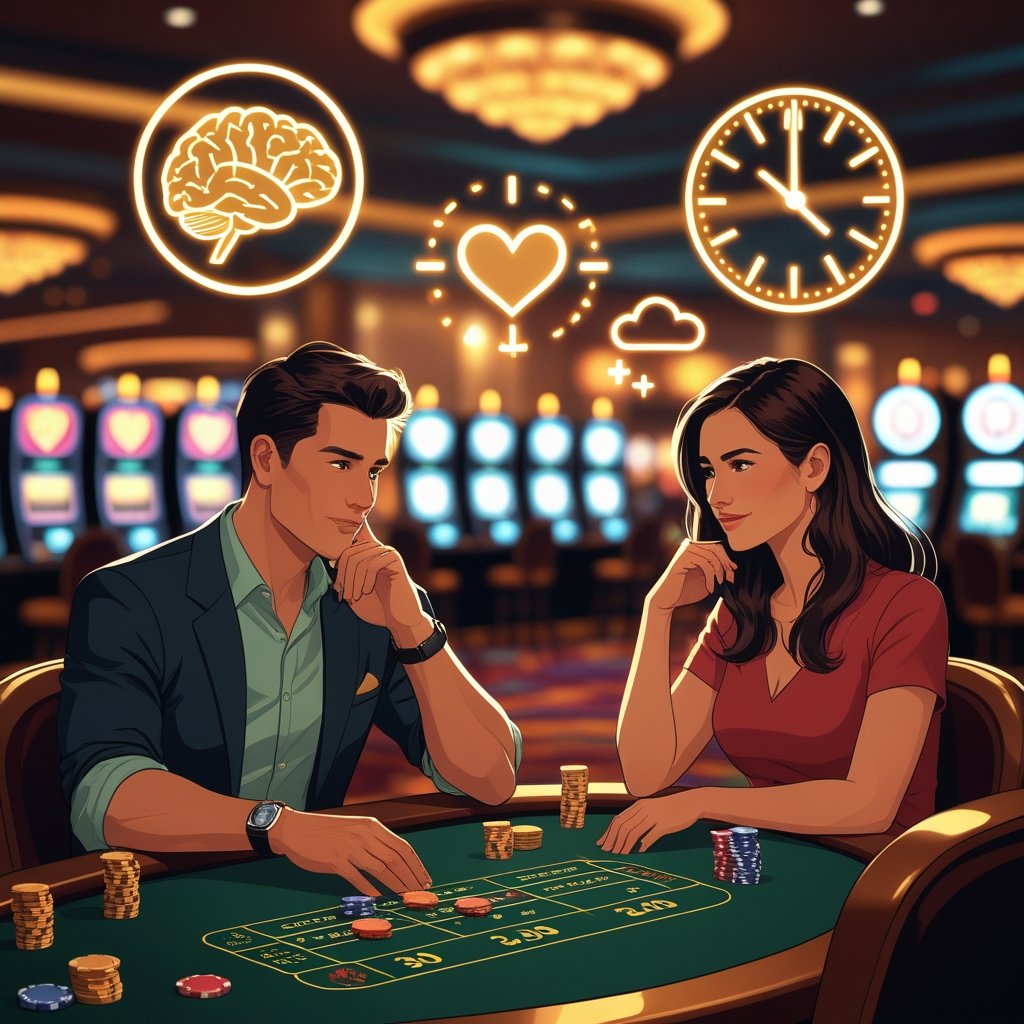
Fundamentals of Player Motivation in Gambling
Player motivation in gambling stems from two main sources: internal drives and external rewards. The brain responds to gambling through complex reward systems, while uncertainty creates powerful psychological effects that keep players engaged.
Intrinsic vs. Extrinsic Motivation
Intrinsic motivation comes from within the player. These are personal feelings and experiences that drive gambling behavior.
Players often gamble for the excitement and thrill. The rush of placing a bet creates natural highs in the brain. Some people enjoy the challenge of trying to beat the odds.
Social connection motivates many players. They like being around other gamblers and feeling part of a community. Casino environments provide social interaction that some players crave.
Escape serves as another intrinsic motivator. Gambling helps players forget about daily stress and problems. The focused attention required blocks out negative thoughts.
Extrinsic motivation involves external rewards and outcomes. Money represents the most obvious external motivator for most players.
Financial gain drives many gambling decisions. Players hope to win big jackpots or make quick money. Even small wins can reinforce the behavior and encourage continued play.
Status and recognition also motivate players externally. High-roller treatment and VIP programs make players feel special. Casinos use comps and rewards to create external incentives.
The Role of Rewards and Reinforcement
Gambling operates on variable ratio reinforcement schedules. This means rewards come at unpredictable intervals, which creates the strongest behavioral responses.
Slot machines demonstrate this principle perfectly. Players never know when the next win will occur. This uncertainty makes the behavior highly addictive and difficult to stop.
Near misses play a crucial role in reinforcement. When players almost win, their brains react similarly to actual wins. These close calls encourage continued play more than complete losses.
Small wins between losses keep players engaged. These intermittent rewards prevent complete discouragement. The brain releases dopamine even for minor victories.
Loss chasing develops when players try to recover previous losses. Each loss becomes motivation to continue playing. This creates dangerous cycles that can lead to problem gambling.
Impact of Uncertainty and Chance
Uncertainty itself motivates gambling behavior. The unknown outcome creates anticipation and excitement that many players find irresistible.
Fear of missing out (FOMO) drives many gambling decisions. Players worry they might miss the big win if they stop playing. This fear keeps them at machines and tables longer than planned.
Random outcomes make gambling unpredictable. Players cannot use skill or strategy to guarantee wins. This randomness creates both frustration and fascination.
The brain treats uncertain rewards differently than guaranteed ones. Dopamine release peaks during anticipation rather than actual reward receipt. This explains why the moments before results create the most excitement.
Illusion of control affects how players view chance. Many believe they can influence random outcomes through rituals or timing. This false sense of control increases motivation to continue gambling.
Psychological Drivers That Influence Gamblers
Several key psychological factors drive people to gamble repeatedly. These include the excitement of taking risks, the need to escape daily stress, the belief that they can control outcomes, and the social connections formed through gambling activities.
The Thrill of Risk and Excitement
The human brain responds strongly to uncertain situations. When gamblers place bets, their brains release dopamine even before they know the outcome. This creates a powerful feeling of excitement.
Risk-taking triggers the brain’s reward system. The mesolimbic dopamine pathway becomes more active during gambling episodes. This is the same system involved in other rewarding activities like eating or socializing.
The uncertainty of winning makes gambling more exciting than guaranteed rewards. Players often report that the moments before results are revealed feel the most thrilling. This explains why many gamblers prefer games with quick results over slower activities.
Near-miss experiences also fuel excitement. When a slot machine shows two matching symbols with the third one space away, players feel almost as excited as if they had won. These near-misses make people want to try again immediately.
Desire for Escape and Entertainment
Many people use gambling as a way to forget about problems. Work stress, relationship issues, and financial worries can all drive someone toward gambling activities. The casino environment provides a temporary break from reality.
Gambling offers mental stimulation that distracts from negative thoughts. The focus required to play cards or choose lottery numbers gives the mind something else to think about. This mental escape can feel refreshing for people dealing with difficult situations.
The entertainment value also draws many players. Modern casinos design their games to be visually appealing and engaging. Sound effects, bright lights, and interactive features make gambling feel like entertainment rather than just betting money.
Some players view gambling as their main hobby or recreational activity. They budget money specifically for this entertainment, similar to how others might spend on movies or concerts.
Illusion of Control
Gamblers often believe they can influence outcomes through skill or strategy. This feeling exists even in games that are completely random, like slot machines or roulette. Players develop personal rituals or betting systems they think will help them win.
Skill-based elements in some games strengthen this illusion. Poker players can improve through practice and strategy. Sports bettors research teams and statistics. These activities make players feel their knowledge gives them an advantage.
The ability to make choices also creates a sense of control. Even simple decisions like which slot machine to use or when to stop playing make gamblers feel they are directing their experience. This feeling persists even when these choices do not actually affect the odds.
Previous wins reinforce the illusion of control. When players win, they often credit their skill or system rather than luck. This makes them more confident about future gambling sessions.
Social and Community Aspects
Gambling creates social connections between players. Casino floors, poker tables, and betting groups provide opportunities to meet people with similar interests. These social bonds can become an important reason to continue gambling.
Many gamblers enjoy the shared excitement of group betting. Sports betting pools, lottery groups, and casino trips with friends add a social element to the gambling experience. The celebration of wins and commiseration over losses creates bonding experiences.
Online gambling communities have expanded these social aspects. Players can chat with others during games, share strategies on forums, and participate in tournaments. These digital connections can feel just as meaningful as in-person relationships.
The social status that comes with big wins also motivates some players. Being known as a successful gambler within a community can boost self-esteem and social standing.
Game Design Elements That Encourage Repeat Play
Gambling platforms use specific psychological techniques to keep players engaged. These methods tap into basic human drives and create powerful urges to continue playing.
Variable Reward Schedules
Variable reward schedules form the backbone of addictive gambling design. Players never know when the next win will come. This uncertainty creates strong psychological hooks.
Slot machines use this perfectly. They pay out at random times. Players might win on the first spin or the hundredth spin. The brain releases dopamine each time a player pulls the lever, hoping for a reward.
Different schedule types create different effects:
- Fixed ratio: Rewards after a set number of plays
- Variable ratio: Rewards after random numbers of plays
- Fixed interval: Rewards after set time periods
- Variable interval: Rewards after random time periods
Variable ratio schedules work best for gambling. They create the strongest urge to keep playing. Players develop what experts call “intermittent reinforcement addiction.”
The unpredictability makes each potential reward feel possible. Players think the next spin could be “the big one.” This keeps them pressing buttons and placing bets long after they planned to stop.
Near Miss Effects
Near misses trick the brain into feeling almost successful. These events look like wins but actually count as losses. They create false hope and drive continued play.
Slot machine examples include getting two matching symbols when three are needed. The reels might show “cherry-cherry-lemon” instead of “cherry-cherry-cherry.” Players feel they came close to winning.
Lottery scratch cards use similar tactics. Numbers might be one digit away from jackpot combinations. Players see “19-20-22” when the winning sequence was “19-20-21.”
The brain processes near misses similarly to actual wins. Dopamine levels spike even though no money was won. This creates excitement and motivation to try again immediately.
Research shows near misses increase gambling time by up to 30%. Players believe their luck is improving. They think success is right around the corner, leading to extended play sessions.
Personalization and Progress Mechanics
Modern gambling platforms track player behavior and customize experiences. They create artificial progress systems that make losses feel temporary and wins feel earned.
Player profiles store information about betting patterns, favorite games, and spending habits. Systems use this data to offer targeted bonuses and promotions. Personal messages make players feel special and valued.
Loyalty programs create artificial advancement. Players earn points, unlock new game features, or reach VIP status levels. These systems make gambling feel like achieving goals rather than losing money.
Progress bars and achievements gamify the experience. Players might unlock new slot themes after certain bet amounts. Special badges reward frequent play or big spending streaks.
Micro-rewards provide constant small wins. Free spins, bonus credits, or cosmetic upgrades keep players engaged between real money wins. These features create feelings of continuous progress and success.
The combination makes each player feel the platform was designed just for them. Personal touches increase emotional attachment and make leaving feel like abandoning progress.
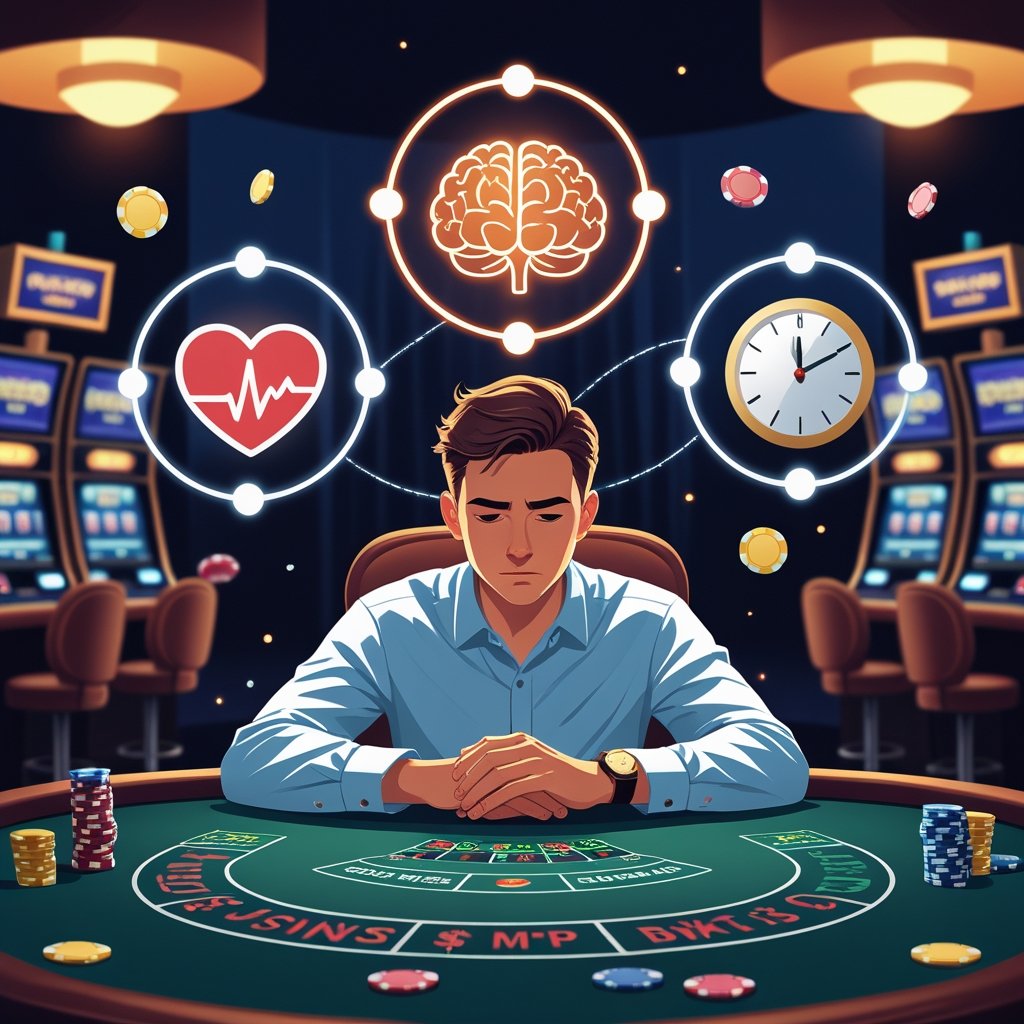
Cognitive Processes Behind Gambling Behavior
The human brain processes gambling through specific learning patterns and mental shortcuts that can lead to persistent play. These cognitive mechanisms include reward-based learning systems, flawed probability judgments, and loss-recovery behaviors that override rational decision-making.
Reinforcement Learning Mechanisms
The brain’s reward system drives gambling behavior through dopamine release patterns. When a player wins, their brain releases dopamine in the mesolimbic pathway. This creates a strong memory link between the gambling activity and pleasure.
Variable ratio reinforcement makes gambling especially addictive. Players receive rewards at unpredictable intervals, which creates the strongest type of behavioral conditioning. This same mechanism keeps people checking social media or playing video games.
The brain learns to associate gambling environments with potential rewards. Sounds, lights, and even the smell of a casino can trigger dopamine release before any actual gambling occurs.
Near-miss experiences activate the same brain regions as actual wins. A slot machine showing two matching symbols followed by a different third symbol creates almost the same neural response as winning. This tricks the brain into feeling like success is just around the corner.
Gambler’s Fallacy and Cognitive Biases
Hot-hand bias leads players to believe winning streaks will continue. After several wins, gamblers often increase their bets because they feel “lucky” or “on a roll.”
The gambler’s fallacy works in the opposite direction. Players think that after several losses, a win must be coming soon. They believe past results affect future outcomes in truly random games.
Availability bias makes recent or memorable wins seem more likely to happen again. A player who won big last month will overestimate their chances of winning big again.
Players also show confirmation bias by remembering wins more clearly than losses. They focus on times their “system” worked while forgetting the many times it failed.
Chasing Losses Phenomenon
Loss chasing occurs when players increase their bets to recover previous losses quickly. The brain treats losses as problems that need immediate solutions rather than sunk costs.
Sunk cost fallacy keeps players gambling longer than planned. They feel that stopping would waste the money already spent, even though continuing increases total losses.
The pain of losing money activates the brain’s threat detection systems. This creates urgency and poor decision-making as players try to eliminate the negative feeling quickly.
Risk escalation happens as losses mount. Players often switch to higher-risk games or larger bets, believing bigger risks will lead to bigger recoveries. This typically accelerates losses rather than reversing them.
Emotional decision-making overrides logical thinking during loss-chasing episodes. The prefrontal cortex, responsible for rational planning, becomes less active while emotional brain regions take control.
Emotional Factors That Sustain Engagement
Gamblers experience specific emotional responses that create powerful psychological loops. The brain’s reward system releases dopamine during betting, while players use gambling to manage their moods and cope with both wins and losses.
Reward Anticipation and Dopamine
The brain releases dopamine during the anticipation of a potential win, not just when winning occurs. This creates a powerful chemical response that happens before the outcome is known.
Variable ratio reinforcement makes this effect stronger. Gamblers never know when the next win will come, which keeps dopamine levels elevated throughout play.
Brain scans show increased activity in the ventral striatum during gambling. This is the same area that responds to other rewarding experiences like food or social connection.
The “near miss” effect triggers dopamine release even during losses. When gamblers almost win, their brains react similarly to actual wins. This keeps them engaged despite negative outcomes.
Key dopamine triggers in gambling:
- Spinning reels or cards being dealt
- Close calls and near wins
- Bonus rounds or special features
- Progressive jackpot displays
Mood Regulation
Many gamblers use betting as a way to manage difficult emotions. They turn to gambling when feeling stressed, anxious, or depressed.
The excitement of gambling provides temporary relief from negative feelings. This creates an emotional escape that can become a regular coping method.
Problem gambling often develops when people rely too heavily on this emotional regulation. They begin gambling not for money, but to feel better.
Research shows that gamblers often have higher rates of mood disorders. They may use gambling to self-medicate symptoms of depression or anxiety.
The social environment of casinos or online communities can also provide emotional support. Players feel connected to others who share their interest.
Handling Winning and Losing Streaks
Winning streaks create feelings of confidence and control. Players believe they have special skills or are experiencing good luck that will continue.
This leads to the “hot hand fallacy” where gamblers think wins predict future wins. They increase their bets and play longer during successful periods.
Losing streaks trigger different emotional responses. Many players experience the “sunk cost fallacy” and continue playing to recover their losses.
The brain treats gambling losses differently than other financial losses. Players often view lost money as “play money” rather than real cash they could use elsewhere.
Chasing losses becomes an emotional compulsion. Players feel they must keep playing until they win back what they lost, even when logic suggests stopping.
Social and Environmental Influences
People don’t gamble in isolation. Friends, marketing messages, and casino design all play major roles in keeping players engaged and coming back for more.
Peer Influence and Social Proof
Social connections strongly influence gambling behavior. When friends or family members gamble regularly, people are more likely to start and continue gambling themselves.
Peer pressure creates powerful motivation. Players often feel pressure to keep up with friends who are winning or spending money at casinos. This leads to longer gaming sessions and higher spending.
Social media makes peer influence even stronger. Players see friends posting about wins on platforms like Facebook and Instagram. These posts create FOMO (fear of missing out) and encourage others to try their luck.
Group gambling activities normalize the behavior. When coworkers organize casino trips or friends meet for poker nights, gambling becomes a social activity rather than a risky behavior.
Social proof works through witnessing others win. When players see someone hit a jackpot nearby, they believe their chances of winning increase. This false belief keeps them playing longer.
Marketing, Promotions, and External Triggers
Casinos and gambling companies use targeted marketing to bring players back. These strategies tap into psychological triggers that make gambling feel rewarding and urgent.
Free play offers and bonus credits create a sense of getting something valuable. Players feel like they’re not risking their own money, even though these promotions often require real money deposits.
Loyalty programs reward frequent play with points, comps, and special treatment. Players chase these rewards, often spending more money than the perks are worth.
Personalized marketing uses player data to send targeted offers. Casinos track spending habits and send promotions when players haven’t visited recently or after big losses.
Time-limited promotions create urgency. “Today only” offers and weekend specials make players feel they must act quickly or miss out on opportunities.
Text messages and emails serve as external triggers. These reminders pop up when players aren’t thinking about gambling, pulling them back to the casino or online platform.
Casino Atmosphere and Its Effects
Casinos design their physical and digital spaces to encourage longer play and higher spending. Every element works together to create an environment that keeps players engaged.
Lighting and sound create excitement without players realizing it. Bright lights and upbeat sounds signal winning and fun, even when players are losing money.
The absence of clocks and windows removes time awareness. Players lose track of how long they’ve been gambling, leading to extended sessions.
Maze-like layouts make it hard to find exits. Players must walk past more games to leave, creating additional opportunities to start playing again.
Free drinks and comfortable seating encourage players to stay longer. These amenities make the casino feel like a social club rather than a business designed to take money.
Near-miss programming in slot machines creates false hope. When symbols almost line up for a jackpot, players feel they were close to winning and continue playing.
Individual Differences in Gambling Motivation
Not all gamblers share the same reasons for betting. Personal traits like risk-taking and cultural background shape why people gamble and how they approach different games.
Personality Traits and Risk Tolerance
Risk-seeking individuals often gamble for the thrill and excitement rather than money alone. These players enjoy the uncertainty and adrenaline rush that comes with each bet.
People with high risk tolerance typically prefer games with bigger potential payouts. They choose activities like poker tournaments or high-stakes slot machines over safer options.
Impulsive personalities tend to make quick betting decisions without much planning. They may chase losses more often and have trouble setting limits on their gambling time or money.
Extroverted gamblers often prefer social gambling environments. They enjoy the interaction at poker tables or group lottery pools more than solitary online betting.
Sensation-seekers look for new and intense experiences through gambling. They might try different games frequently or seek out casinos with unique atmospheres and entertainment options.
Demographic and Cultural Factors
Age groups show different gambling motivations and preferences. Younger adults often gamble for excitement and social reasons, while older adults may focus more on entertainment and routine.
Gender differences appear in gambling choices and motivations. Men typically prefer skill-based games like poker or sports betting. Women often choose games of chance like bingo or slot machines.
Cultural background strongly influences gambling attitudes and behaviors. Some cultures view gambling as acceptable entertainment, while others see it as morally wrong or financially dangerous.
Income levels affect both gambling motivation and game selection. Higher-income players may gamble for entertainment value, while lower-income gamblers might focus on potential winnings as financial solutions.
Potential Risks and Moderating Factors
Gambling can lead to serious problems when the brain’s reward systems become overactive. Several tools and programs exist to help people control their gambling habits and reduce harm.
Development of Gambling Disorders
Gambling disorders develop when the brain’s dopamine system becomes dysregulated. The same chemicals that create excitement during normal betting can trigger compulsive behavior over time.
Warning Signs Include:
- Chasing losses with bigger bets
- Lying about gambling activities
- Borrowing money to gamble
- Feeling anxious when not gambling
The disorder affects about 1-3% of adults. People with gambling problems often show changes in brain activity similar to those seen in drug addiction.
Risk factors make some people more likely to develop problems. These include family history of addiction, mental health issues, and early exposure to gambling.
Social pressure and easy access to betting apps increase the risk. Many people don’t realize they have a problem until they face serious money troubles.
Responsible Gambling Tools
Most gambling sites now offer built-in tools to help players stay in control. These features work by setting limits before emotions take over during gameplay.
Common Tools Include:
- Deposit limits – Cap how much money can be added per day or month
- Time limits – Automatic logout after set periods
- Reality checks – Pop-up reminders showing time spent and money lost
- Loss limits – Stop play when losses reach a set amount
Cooling-off periods let players take breaks for 24 hours to several weeks. Players can activate these during emotional moments to prevent poor decisions.
Some sites use algorithms to spot risky behavior patterns. They can then offer help or suggest breaks before problems get worse.
The Role of Self-Exclusion Programs
Self-exclusion programs let people ban themselves from gambling venues or websites. These programs create barriers that make it harder to gamble during weak moments.
Most programs last from months to years. Once enrolled, casinos and betting sites must refuse service to that person. Breaking exclusion rules can result in legal action.
Types of Exclusion:
- Single venue exclusion
- State-wide casino bans
- Multi-operator online blocks
- National database systems
Studies show self-exclusion reduces gambling frequency by 85-90% among participants. However, some people find ways around the blocks or switch to unregulated sites.
The programs work best when combined with counseling and financial planning. Family members can sometimes request exclusions on behalf of problem gamblers.