Modern casinos collect enormous amounts of data from their players every day. Every game choice, bet amount, and time spent playing creates a digital trail that reveals player habits and preferences.
Casinos now use this player data to create personalized marketing campaigns that deliver the right message to the right player at the right time. This approach helps casinos increase player loyalty and boost revenue by making each customer feel valued and understood.
The shift toward data-driven personalization transforms how casinos connect with their customers. From customized bonus offers to tailored game recommendations, casinos are moving away from one-size-fits-all marketing. This article explores how casinos gather player information, segment their audiences, and use real-time data to create marketing experiences that keep players engaged.
Understanding Personalization in Casino Marketing
Modern casinos use player data to create custom experiences that match each person’s gaming habits and preferences. This approach has changed how casinos connect with players and build long-term relationships.
Definition of Personalization
Personalization in casino marketing means customizing gaming experiences based on individual player data. Casinos collect information about how each person plays, what games they prefer, and how much they spend.
This data helps create tailored game recommendations that match player interests. A person who plays slot machines often will see different promotions than someone who prefers table games.
Personalized bonuses are designed for each player’s spending habits. High-value players might receive special perks while new players get welcome bonuses that encourage them to try different games.
Casinos also use this information for customized marketing messages. Email campaigns, mobile app notifications, and website content change based on what each player likes.
The technology works in real-time, meaning the casino can adjust offers and recommendations as players move through the gaming floor or website. This creates a unique experience for every person who visits.
Importance in the Modern Casino Industry
Player expectations have increased significantly in recent years. Customers want experiences that feel designed specifically for them rather than generic offers that apply to everyone.
Competitive advantage comes from understanding what each player values most. Casinos that provide relevant offers keep players engaged longer than those using broad marketing approaches.
Data shows that personalized experiences lead to higher player satisfaction. When people receive offers that match their interests, they are more likely to return and spend more money.
Customer loyalty improves when casinos demonstrate they understand individual preferences. Players develop stronger connections to venues that remember their favorite games and playing patterns.
Revenue increases when marketing messages reach the right people with the right offers. Personalized promotions have higher response rates than general advertising campaigns.
Modern technology makes personalization essential rather than optional. Casinos that fail to adapt risk losing players to competitors who provide more relevant experiences.
Evolution of Player Engagement Strategies
Traditional casino marketing relied on broad demographic categories and mass advertising. Casinos would send the same promotions to all players in their database regardless of individual preferences.
Early digital systems introduced basic player tracking through loyalty cards. These systems recorded visit frequency and total spending but provided limited insight into specific preferences.
The introduction of big data analytics changed everything. Casinos began collecting detailed information about game choices, betting patterns, and time spent playing different activities.
Artificial intelligence now enables predictive analytics that forecast what each player might want next. These systems analyze past behavior to suggest games, offers, and experiences before players even request them.
Real-time personalization represents the current standard. Dynamic content changes instantly based on player actions, creating experiences that adapt moment by moment.
Mobile technology expanded personalization beyond the casino floor. Apps and websites now deliver customized content wherever players are located.
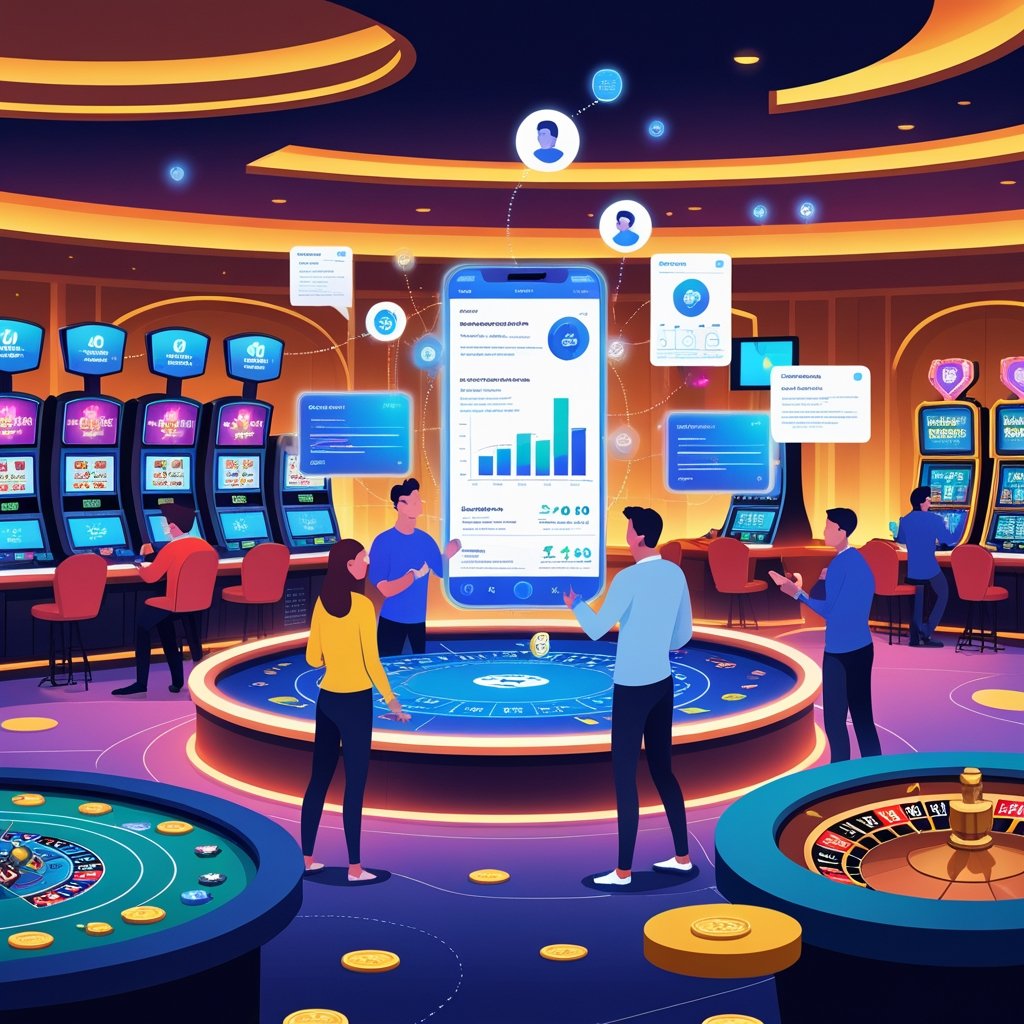
Utilizing Player Data for Personalization
Casinos collect detailed information about player habits, spending patterns, and game preferences to build custom experiences. This data comes from multiple sources and requires careful handling to protect player privacy while maximizing marketing effectiveness.
Types of Player Data Collected
Casinos gather behavioral data that tracks how players interact with games. This includes time spent on slot machines, betting amounts, and which games players choose most often.
Demographic information helps casinos understand their customer base. Age, location, income level, and occupation create player profiles for targeted marketing.
Transaction data reveals spending habits and payment preferences. Casinos track deposit amounts, withdrawal patterns, and how much money players spend during each visit.
Preference data shows what motivates individual players. Some prefer table games while others enjoy slots. Some respond to free drinks while others want room upgrades.
Device and platform data tells casinos how players access their services. Mobile users might get different offers than desktop players. Time of day and session length also matter.
Data Sources and Collection Methods
Player cards and loyalty programs serve as primary data collection tools. Every swipe tracks location, game type, and spending in real time.
Online platforms automatically record click patterns, game selections, and user behavior. Website analytics show which pages players visit most.
Mobile apps provide location data, push notification responses, and in-app purchase history. App usage patterns reveal peak playing times.
Customer surveys and feedback forms give direct insight into player satisfaction and preferences. This helps validate assumptions made from behavioral data.
Third-party data providers supplement casino-collected information with credit scores, lifestyle data, and purchasing behavior from other industries.
Data Privacy and Security Considerations
Regulatory compliance requires casinos to follow strict data protection laws. GDPR in Europe and various state laws in the US set clear rules about data collection and use.
Player consent must be obtained before collecting personal information. Clear privacy policies explain what data casinos collect and how they use it.
Data encryption protects sensitive information during storage and transmission. Financial data and personal details need the highest security levels.
Access controls limit which employees can view player data. Marketing teams might see spending patterns while customer service sees contact information.
Data retention policies determine how long casinos keep player information. Old data gets deleted according to legal requirements and business needs.
Segmentation Strategies in Casino Marketing
Casino marketers divide players into specific groups based on their actions, spending patterns, and personal traits. These strategies help casinos send the right offers to the right players at the right time.
Behavioral Segmentation Techniques
Behavioral segmentation tracks how players actually use casino services. This method looks at gaming frequency, session length, and game preferences.
Gaming Frequency Analysis separates players into groups like daily, weekly, and monthly visitors. Daily players often respond well to loyalty rewards and exclusive tournaments.
Spending Pattern Tracking identifies players by their betting amounts. High-roller segments receive VIP treatment and premium bonuses. Low-stakes players get smaller, more frequent rewards.
Game Preference Mapping groups players by their favorite games:
- Slot machine enthusiasts
- Table game players
- Sports betting fans
- Poker room regulars
Session duration data shows player engagement levels. Short-session players might need incentives to stay longer. Long-session players could benefit from comfort perks and refreshment offers.
Risk Tolerance Levels help identify conservative versus aggressive players. Conservative players prefer guaranteed rewards. Risk-takers respond to high-stakes promotions and jackpot opportunities.
Demographic and Psychographic Analysis
Demographic data includes age, income, location, and occupation. These factors influence marketing messages and channel selection.
Age-Based Targeting creates distinct approaches for different generations. Younger players often prefer mobile gaming and social features. Older players may favor traditional games and in-person experiences.
Income Segmentation matches promotional value to spending capacity. High-income players receive luxury experiences and exclusive events. Budget-conscious players get value-focused offers and free play credits.
Geographic Targeting considers local preferences and regulations. Regional players might prefer specific game types or cultural themes.
Psychographic profiling examines personality traits and motivations. Some players seek social interaction and entertainment. Others focus purely on winning potential.
Lifestyle Factors include work schedules and family status. Business travelers need flexible rewards they can use during trips. Local residents might prefer regular weekly promotions.
Identifying High-Value Player Segments
High-value players drive significant revenue and require special attention. These segments need careful identification and targeted retention strategies.
Lifetime Value Calculation measures total player worth over time. This metric includes deposits, losses, and engagement frequency across all gaming channels.
VIP Tier Classifications typically include:
- Bronze: Regular players with moderate spending
- Silver: Consistent players with higher deposits
- Gold: High-frequency players with substantial losses
- Platinum: Top-tier players requiring personal attention
Spending Velocity Tracking identifies players who increase their betting amounts quickly. These rising players often become high-value segments with proper nurturing.
Cross-Platform Usage shows players who use multiple casino services. These engaged customers typically have higher lifetime values and stronger loyalty.
Churn Risk Assessment identifies valuable players showing decreased activity. Early intervention with personalized offers can prevent loss of high-value segments.
Retention rates among high-value players directly impact casino profitability. These segments receive dedicated account managers, exclusive events, and customized reward structures.
Personalized Marketing Channels and Tactics
Casinos use multiple channels to deliver personalized experiences that match individual player preferences and behaviors. These targeted approaches include email campaigns with custom offers, website content that changes based on player history, tailored promotions, and loyalty programs designed around specific gaming patterns.
Customized Email Campaigns
Email remains one of the most effective channels for personalized casino marketing. Operators segment players based on game preferences, spending levels, and visit frequency to create targeted messaging.
High-value players receive exclusive invitations to VIP events and premium game launches. Slot enthusiasts get notifications about new machine releases and free spin offers. Table game players see promotions for tournaments and dealer-hosted events.
Timing plays a crucial role in email personalization. Casinos send messages when players are most likely to engage based on their past behavior patterns.
Effective email tactics include:
- Personalized subject lines with player names
- Game recommendations based on playing history
- Birthday and anniversary bonuses
- Win-back campaigns for inactive players
- Real-time notifications about favorite games
On-Site Personalization
Digital platforms use player data to customize the entire website experience in real-time. When players log in, they see content tailored to their preferences and gaming habits.
Homepage customization shows featured games based on past play. Navigation menus highlight sections most relevant to each player type. Game lobbies prioritize titles the player enjoys most.
Mobile apps take personalization further with push notifications about preferred games and location-based offers when players are near physical casino locations.
Key on-site features include:
- Customized game recommendations
- Personalized bonus displays
- Tailored navigation layouts
- Dynamic content based on play history
- Mobile location-triggered offers
Personalized Promotions and Offers
Casinos create specific promotions that match individual player behaviors and preferences rather than sending the same offers to everyone. This approach increases engagement rates and player satisfaction.
Deposit bonuses vary based on typical spending amounts. Free spins target players’ favorite slot games. Cashback offers reflect individual loss patterns and risk tolerance.
Real-time data allows operators to trigger promotions during active play sessions. Players might receive bonus credits while playing or get offers for their next visit immediately after leaving.
Common personalized offers:
- Game-specific bonuses for preferred titles
- Time-sensitive promotions during peak play hours
- Spending-level appropriate deposit matches
- Personalized cashback percentages
- Custom tournament invitations
Loyalty Program Personalization
Modern loyalty programs go beyond basic point accumulation to offer rewards that match individual player preferences and behaviors. Programs track detailed gaming data to provide meaningful benefits.
Tier advancement considers both spending and engagement levels. Reward selection includes options players actually want based on their history. Exclusive perks match player interests and gaming styles.
Some programs offer personalized milestone challenges that encourage specific behaviors while feeling natural to each player’s gaming pattern.
Personalized loyalty features:
- Custom reward catalogs based on preferences
- Individualized tier benefits and thresholds
- Personalized challenges and missions
- Targeted comp point multipliers
- Exclusive access to preferred game types

Enhancing Player Experience with Real-Time Personalization
Real-time personalization transforms casino marketing by instantly adapting to player behaviors and preferences. Modern casinos use live data to deliver customized content, suggest relevant games, and create engaging experiences that match individual playing styles.
Dynamic Content Delivery
Dynamic content delivery adjusts website elements, promotions, and interfaces based on current player actions. Casinos track which games players visit, how long they stay, and what they click on.
When a player logs in, the system instantly changes the homepage. Slot players see featured slot machines and bonus spins. Table game fans view blackjack tournaments and poker rooms.
Key dynamic elements include:
- Homepage banners that match game preferences
- Promotional offers based on recent activity
- Game categories arranged by player interest
- Bonus notifications timed to playing sessions
The system also adjusts messaging tone and visuals. High-value players might see premium graphics and exclusive offers. New players get welcome messages and beginner-friendly games.
Some platforms change colors and layouts based on player behavior. Fast-action players see bright, energetic designs. Casual players get calmer, simpler interfaces.
Real-Time Recommendation Systems
Recommendation systems analyze player data to suggest games, bonuses, and activities instantly. These systems track game choices, bet sizes, win/loss patterns, and session lengths.
The technology works similar to streaming services. Players who enjoy progressive slots get suggestions for new jackpot games. Sports betting fans see upcoming games in their favorite leagues.
Common recommendation types:
- Game suggestions based on recent play history
- Bonus offers matched to spending patterns
- Tournament invites for preferred game types
- Deposit bonuses timed to low account balances
Advanced systems consider mood and timing. They might suggest relaxing games after losses or exciting options after wins. Late-night players get different recommendations than morning users.
The algorithms improve over time. They learn which suggestions players accept and ignore. This creates more accurate recommendations that feel natural rather than pushy.
Gamification Based on Player Preferences
Gamification adds game-like elements such as points, levels, and achievements to casino experiences. Real-time systems customize these features based on what motivates each player.
Some players enjoy competition and leaderboards. Others prefer personal challenges and progress tracking. The system identifies these preferences through behavior patterns.
Personalized gamification features:
- Achievement badges for preferred activities
- Loyalty points with customized rewards
- Challenges matched to skill levels
- Social features for competitive players
Casual players might get simple daily login bonuses. Serious gamblers receive complex multi-level challenges with bigger rewards. Social players see friend activity and group competitions.
The timing matters too. Weekend warriors get special Saturday challenges. Daily players receive consistent smaller rewards. Vacation players get extended challenges when they return.
Systems track which gamification elements increase engagement. They remove features that players ignore and emphasize successful ones.
Measuring the Impact of Personalization
Successful personalization strategies require careful tracking of specific metrics to understand their effectiveness. Casino marketers must focus on measurable outcomes like player retention rates, revenue per player, and engagement levels to determine which personalized approaches deliver the best results.
Key Performance Indicators
Casino operators track several core metrics to measure personalization success. Player lifetime value (PLV) shows how much revenue each customer generates over time. This metric helps determine if personalized experiences increase long-term profitability.
Return on investment (ROI) measures the financial return from personalization campaigns. Casinos compare campaign costs against additional revenue generated from targeted promotions and customized offers.
Player retention rate tracks how many customers continue playing after receiving personalized experiences. Higher retention rates indicate that tailored content keeps players engaged longer.
Conversion rates measure how often personalized offers turn into actual player actions. This includes deposit bonuses, game recommendations, and loyalty program participation.
Revenue per player helps operators understand if personalization increases individual spending. Casinos compare revenue before and after implementing personalized strategies to measure effectiveness.
Monitoring Player Engagement Metrics
Player engagement metrics reveal how well personalization connects with customers. Session duration shows how long players stay active during each visit. Longer sessions often indicate that personalized game recommendations and content keep players interested.
Frequency of visits tracks how often players return to the casino platform. Personalized marketing messages and tailored promotions can encourage more frequent play sessions.
Game participation rates measure which personalized game suggestions players actually try. High participation rates suggest that recommendation algorithms effectively match player preferences.
Email open rates and click-through rates show how well personalized marketing messages perform. These metrics help casinos understand which types of customized content resonate with different player segments.
Deposit frequency and amounts indicate whether personalized bonus offers motivate financial engagement. Casinos track these metrics to optimize their promotional strategies.
A/B Testing and Campaign Optimization
A/B testing allows casinos to compare different personalization approaches with the same player groups. Operators create two versions of campaigns with different personalized elements to see which performs better.
Subject line testing compares different personalized email approaches. Casinos might test messages using player names versus generic greetings to measure response rates.
Bonus offer testing examines which types of personalized promotions work best. This includes comparing percentage-based bonuses versus fixed amounts for different player segments.
Game recommendation testing evaluates different algorithms for suggesting new games. Casinos test recommendations based on playing history versus similar player preferences.
Testing duration typically runs 2-4 weeks to gather enough data. Casinos need sufficient sample sizes to ensure results are statistically significant before making permanent changes to their personalization strategies.
Challenges and Limitations in Personalized Casino Marketing
While personalized marketing offers significant benefits, casinos face substantial obstacles when implementing data-driven strategies. Regulatory restrictions, technical complexities, and privacy concerns create barriers that require careful navigation and strategic planning.
Regulatory Compliance Issues
Casino marketing personalization operates within strict legal frameworks that vary by jurisdiction. Gaming commissions require detailed documentation of how player data gets collected, stored, and used for marketing purposes.
Key compliance challenges include:
- Data retention limits that restrict long-term player profiling
- Marketing communication restrictions in certain states or regions
- Required opt-in consent for personalized promotions
- Mandatory responsible gambling safeguards
Some jurisdictions prohibit targeting players based on loss patterns or gambling frequency. This limits casinos’ ability to create certain types of personalized experiences.
Compliance costs can reach hundreds of thousands of dollars annually for larger operators. Regular audits and legal reviews add operational complexity to personalization programs.
Data Integration Complexities
Modern casinos collect player information from multiple sources that often don’t communicate effectively. Slot machines, table games, mobile apps, and loyalty programs each generate separate data streams.
Common integration problems:
- Legacy gaming systems that can’t share data with newer platforms
- Inconsistent player identification across different touchpoints
- Real-time data processing delays that affect personalization timing
- Database incompatibilities between vendors
Many casinos struggle with data silos where marketing teams can’t access complete player profiles. This fragmentation prevents effective personalization and creates inconsistent customer experiences.
Technical integration projects typically take 6-12 months to complete. The complexity increases significantly for casinos with multiple properties or diverse gaming offerings.
Balancing Privacy With Personalization
Players want relevant offers but also expect their personal information to remain secure. This creates tension between effective marketing and privacy protection.
Privacy challenges include:
- Player concerns about data tracking and profiling
- Difficulty explaining data usage in simple terms
- Managing consent preferences across multiple channels
- Protecting sensitive gambling behavior information
73% of players want personalized rewards, but many feel uncomfortable with extensive data collection. Casinos must find ways to deliver relevant experiences without appearing invasive.
Data breaches in the gaming industry have increased privacy concerns among players. Even minor security incidents can damage trust and reduce participation in personalization programs.
Clear privacy policies and transparent data practices help build player confidence. However, explaining complex data usage in understandable language remains challenging for most operators.
Future Trends in Casino Personalization
Advanced AI systems and machine learning algorithms are transforming how casinos understand and serve their players. These technologies enable seamless experiences across digital and physical gaming environments while emerging tools like virtual reality and blockchain create new opportunities for customized player engagement.
Artificial Intelligence and Machine Learning Applications
AI chatbots are already handling customer support in many casinos. These systems provide instant responses to player questions and can offer personalized assistance based on gaming history.
Machine learning algorithms analyze player behavior patterns in real-time. The systems can predict when a player might stop gambling and automatically trigger retention offers.
Predictive analytics help casinos identify high-value players before they make large deposits. This allows marketing teams to provide VIP treatment to promising customers early in their gaming journey.
AI-powered recommendation engines suggest games based on playing style and preferences. These systems learn from each session to improve future suggestions.
Voice recognition technology is emerging in some casino apps. Players can ask questions or request services using natural speech instead of typing.
Omnichannel Personalization Approaches
Players expect consistent experiences whether they visit physical casinos, mobile apps, or websites. Their preferences and rewards should follow them across all platforms.
Mobile integration allows casinos to send location-based offers when players are nearby. Push notifications can promote specific games or events based on past interests.
Social media platforms provide additional touchpoints for personalized marketing. Casinos can engage players with customized content on Facebook, Instagram, and Twitter.
Email campaigns now use dynamic content that changes based on individual player data. Two players might receive the same email template but see completely different game recommendations and bonus offers.
Cross-platform loyalty programs track points and rewards across all casino channels. Players earn benefits from slot machines, online games, restaurants, and hotel stays in one unified system.
Emerging Technologies Shaping Personalization
Virtual reality casinos create immersive gaming environments tailored to individual preferences. Players can customize their virtual surroundings and interact with games in new ways.
Blockchain technology enables secure, transparent loyalty programs. Smart contracts automatically distribute rewards based on predetermined player actions.
Wearable devices like smartwatches can track player biometrics during gaming sessions. This data helps casinos understand stress levels and engagement to optimize the experience.
Augmented reality overlays digital information onto physical casino environments. Players might see personalized game recommendations or directions through AR glasses or smartphone apps.
Facial recognition systems identify VIP players as they enter casinos. Staff receive instant notifications about player preferences, favorite games, and service history.