Casinos understand human psychology better than most businesses. They know that people look to others when making decisions, especially in uncertain situations. This tendency to follow the crowd is called social proof, and it plays a major role in how gambling venues operate.
Casinos use social proof by displaying winners, showing leaderboards, highlighting jackpots, and creating busy atmospheres that make gambling seem normal and successful. These tactics work because players feel more confident placing bets when they see others doing the same thing. The strategy goes beyond just decoration or atmosphere.
Social proof shows up in almost every part of a casino, from the slot machines that loudly celebrate wins to the testimonials featured on gambling websites. Understanding these methods helps players recognize when their decisions are being influenced by carefully designed environments rather than actual odds or logic.
Fundamentals of Social Proof in Casino Environments
Social proof works by showing players what others are doing, which makes them feel more comfortable making similar choices. Casinos use this basic human tendency in both their physical spaces and their marketing to increase player spending and engagement.
Definition and Psychology of Social Proof
Social proof is a psychological concept where people copy the actions of others to make decisions. When someone feels uncertain about what to do, they look at what other people are doing and assume those actions are correct.
Casinos take advantage of this natural human behavior. The principle works because our brains use shortcuts to make quick decisions. Following what others do feels safer than trying something new on our own.
This mental shortcut developed as a survival tool. In uncertain situations, doing what the group does often led to better outcomes. Casinos apply this same principle to gambling decisions, even though the context is completely different.
The effect becomes stronger when players see many people making the same choice. It also works better when the people being observed seem similar to the person watching them.
Types of Social Proof Used in Casinos
Crowded gaming areas serve as the most visible form of social proof. When players see busy tables or slot machines, they assume those games offer better odds or more entertainment.
Winner celebrations create powerful social signals. Casinos design their spaces so that bells, lights, and sounds from winning machines spread throughout the floor. These signals tell other players that winning is possible and happening right now.
Customer testimonials and reviews appear in casino marketing materials. Online platforms display player feedback and ratings to build trust with potential customers.
Live dealer interactions in online casinos show real people and sometimes other players. This creates a sense of community and validates the gambling experience as something others actively choose.
Why Social Proof Influences Player Behavior
Players rely on social proof because gambling involves risk and uncertainty. When real money is at stake, people want reassurance that their choices make sense. Seeing others gamble the same way provides that comfort.
The strategy increases betting by up to 46% in some casino environments. This happens because social proof reduces the mental effort needed to make decisions. Players stop analyzing each choice carefully and instead follow patterns they observe.
Social proof also makes gambling feel like a shared activity rather than an isolated risk. When surrounded by other players, individuals feel part of a group experience. This social element makes the activity more appealing and keeps people engaged longer.
The influence grows stronger in live casino settings where players can see and hear others in real time. Physical proximity to other gamblers creates immediate feedback that shapes behavior moment by moment.
Tactics Casinos Employ to Harness Social Proof
Casinos create environments where players constantly see others winning, betting, and enjoying themselves. These visual cues trigger powerful psychological responses that make gambling feel safer and more rewarding than it actually is.
Showcasing Big Wins and Jackpots
Casinos design their spaces to make wins as visible and audible as possible. Slot machines flash bright lights and play loud celebratory sounds when someone wins, even if the payout is smaller than the amount wagered. These displays create the impression that wins happen frequently throughout the casino floor.
Large digital displays showing recent jackpot winners appear prominently in high-traffic areas. The screens cycle through winner names, photos, and prize amounts to demonstrate that real people walk away with substantial money. Some casinos feature oversized novelty checks or arrange public presentations for major winners.
The physical layout places the loosest slot machines near entrances and walkways where crowds pass by. This positioning ensures that casual observers witness winning sequences more often. Progressive jackpot meters display growing prize pools in enormous illuminated numbers that attract attention from across the room.
Influence of Crowds at Popular Tables
Table games naturally create social proof through gathered crowds. Players gravitate toward busy tables because the activity signals that something exciting or profitable is happening. A crowded craps table with cheering players sends a stronger message than an empty table.
Casinos staff popular tables with attractive dealers and maintain lower minimum bets during peak hours to keep crowds assembled. The collective energy and reactions of the group influence individual betting decisions. When others at the table win, nearby players feel increased confidence in their own chances.
The visibility of chip stacks at poker and blackjack tables provides instant visual feedback about who is winning. Large stacks of chips create the perception of success and expertise.
Use of Celebrity and Influencer Endorsements
Major casinos partner with athletes, actors, and social media personalities to promote their venues and games. These endorsements transfer the celebrity’s credibility and appeal directly to the casino brand. Fans trust recommendations from figures they admire and want to replicate their experiences.
Online gambling platforms heavily rely on influencer marketing through streaming services and social media. Influencers broadcast their gambling sessions to thousands of viewers, normalizing betting behavior and making it appear entertaining rather than risky. The authenticity these influencers project builds trust with their audiences.
Celebrity poker tournaments and high-profile sporting events hosted at casinos create associations between gambling and glamorous lifestyles. VIP programs named after famous individuals or featuring exclusive celebrity appearances reinforce these connections.
Real-Life Examples and Effects of Social Proof in Gambling
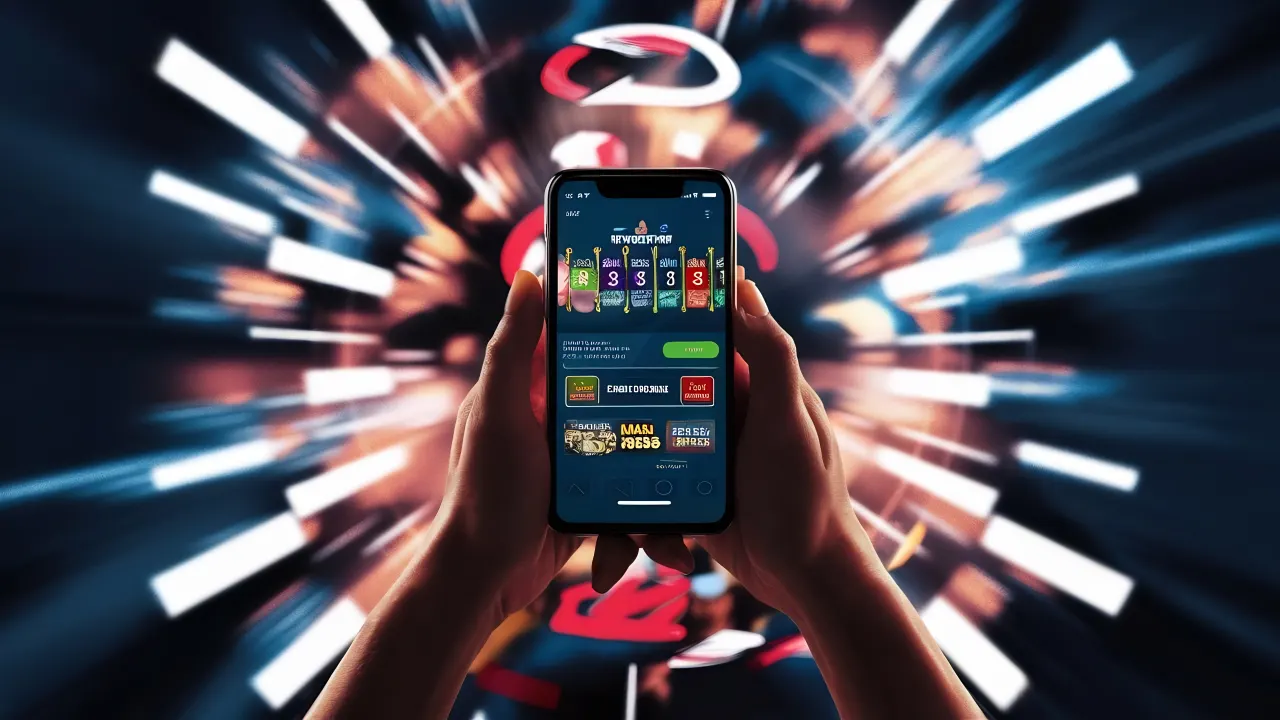
Casinos deploy social proof through visible displays of other players’ wins, shared testimonials, and interactive features that show what others are doing. These tactics create a sense of community participation and normalize gambling behavior by making it appear that many others are playing and winning.
Live Leaderboards and Public Winners
Physical casinos mount large screens that display recent jackpot winners, showing their names, photos, and prize amounts. These displays create the impression that wins happen frequently and to regular people. The flashing lights and celebratory sounds that accompany slot machine payouts serve the same purpose.
Online casinos use live leaderboards that update in real-time to show top players and their earnings. These boards display usernames, bet amounts, and winnings from the past hour or day. Players see continuous activity and assume the platform is trustworthy because others are betting large amounts.
Some platforms feature live win feeds in a ticker or sidebar that scroll constantly. These show a stream of recent wins across all games, even small ones. The steady flow of winning notifications creates the illusion that payouts happen constantly, even though losses far outnumber wins.
Testimonies and Peer Comparisons
Casino websites feature customer reviews and testimonials prominently on their homepages. These testimonials describe positive experiences, reliable payouts, and big wins. New players trust these accounts more than official advertising because they appear to come from real users.
Gambling platforms encourage players to share their wins on social media by offering bonuses or entries into contests. When friends see these posts, they view gambling as more acceptable and potentially profitable. The posts rarely mention losses or the total amount spent.
Casinos also display user statistics like “10,000 players joined this month” or “5 million games played today.” These numbers suggest popularity and legitimacy without providing meaningful information about player outcomes.
Social Features in Online Casino Platforms
Modern gambling sites include chat rooms where players communicate during games. These chats allow players to discuss strategies, celebrate wins, and encourage each other. The social interaction makes gambling feel less isolated and more like a shared activity.
Multiplayer games and tournaments pit players against each other with visible rankings. Participants see how many others are playing and competing for prizes. This format creates peer pressure to continue playing and betting to maintain or improve one’s position.
Some platforms show live player counts on specific games or display which games are “trending” or “most popular.” Players gravitate toward these games assuming that popularity indicates better odds or more excitement, though game popularity has no relationship to payout rates.